
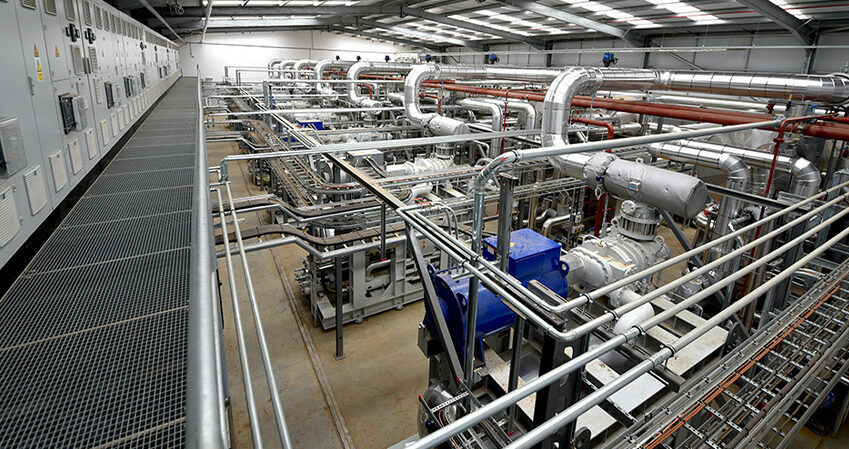
Pipework engineering plays a vital role in industrial development, supporting the safe and efficient movement of liquids, gases, and materials across a wide range of sectors. From manufacturing and energy to processing and large-scale infrastructure, professionally designed pipework systems are essential to keeping industrial operations running effectively.
As industrial facilities continue to expand and modernise, high-quality pipework engineering has become increasingly important in improving efficiency, maintaining safety standards, and supporting long-term operational performance.
What is Pipework Engineering?
Pipework engineering involves the design, fabrication, installation, and maintenance of industrial pipework systems. These systems are used to transport products between machinery, processes, and facilities, often operating under high pressure or extreme temperatures on a constant basis.
Precision is critical in pipework engineering. Systems must be designed in accordance with the relevant specifications, such as IGEM or WRAS to ensure reliability, performance, safety, durability, and compliance with industry regulations. Incorrectly designed pipework systems or poor workmanship can result in inefficiencies, increased maintenance requirements, and potential safety risks.
The Role of Pipework Engineering in Industrial Efficiency
Effective pipework engineering supports efficient industrial operations by ensuring consistent flow and minimising disruptions. Well-planned industrial pipework layouts reduce dead legs, blockages, improve productivity, help to control operating conditions and ensure safe systems of works for operators.
In practice, efficient pipework systems can help businesses achieve:
- Minimise downtime caused by flow restrictions or system failures
- Improved productivity through smoother, more reliable processes
- Greater operational stability and safety across industrial environments
For many industrial businesses, efficient pipework systems also contribute to reduced energy consumption, reduced maintenance and lower operating costs. This highlights the importance of pipework engineering as a key factor in supporting sustainable industrial development and long-term business growth.
Safety and Compliance in Industrial Pipework Systems
Safety is a major consideration in all industrial engineering solutions, particularly when pipework systems are involved. Many industrial pipework systems carry hazardous substances or operate under high-pressure conditions, making correct design and installation essential. For high-pressure sectors like petroleum refinery piping, standards such as ASME B31.3 are commonly accepted in the UK.
Professional pipework engineering ensures systems meet relevant safety standards and regulatory requirements. For example, the HSE enforces safety regulations, such as the pressure equipment safety regulations (PESR). This reduces the risk of leaks, failures, and accidents, helping to protect workers, equipment, and the surrounding environment. Regular inspection and maintenance further support safe and compliant industrial operations.
The Benefits of Bespoke Pipework Systems
Every industrial project has unique requirements, which is why purpose-built pipework systems are often essential. Custom-designed solutions allow pipework to be tailored to specific operational needs, certain products, space constraints, and also considering future expansion.
Bespoke pipework engineering can provide:
- Improved efficiency and safety through tailored system design
- Greater flexibility to adapt to changing production demands
- Scalability to support future growth
This approach supports innovation whilst ensuring pipework systems remain fit for purpose, efficient, and reliable throughout their lifespan. In the UK, General Piping Design: BS EN 13480 (Metallic Industrial Piping) is the primary standard for design and construction.
Long-Term Reliability and Industrial Performance
Pipework systems are long-term assets within industrial environments, and their performance directly impacts operational success. Using high-quality materials, expert fabricators, and welders ensure a high quality installation to allow industrial pipework systems to remain reliable under demanding conditions.
Investing in professional pipework engineering services from the outset can reduce maintenance costs, minimise downtime, and extend the lifespan of not only the pipework systems but also industrial equipment and infrastructure that these lines serve.
Conclusion: Why Pipework Engineering Matters in Industrial Development
Pipework engineering is a fundamental element of industrial development, supporting safe operations, efficient processes, and long-term performance across a wide range of industries and sectors. From initial design through to installation and ongoing maintenance, well-engineered pipework systems form the backbone of reliable industrial environments.
By prioritising high-quality pipework engineering and bespoke systems, businesses can improve operational efficiency, reduce risk, and ensure their facilities are prepared to meet both current and future demands.